
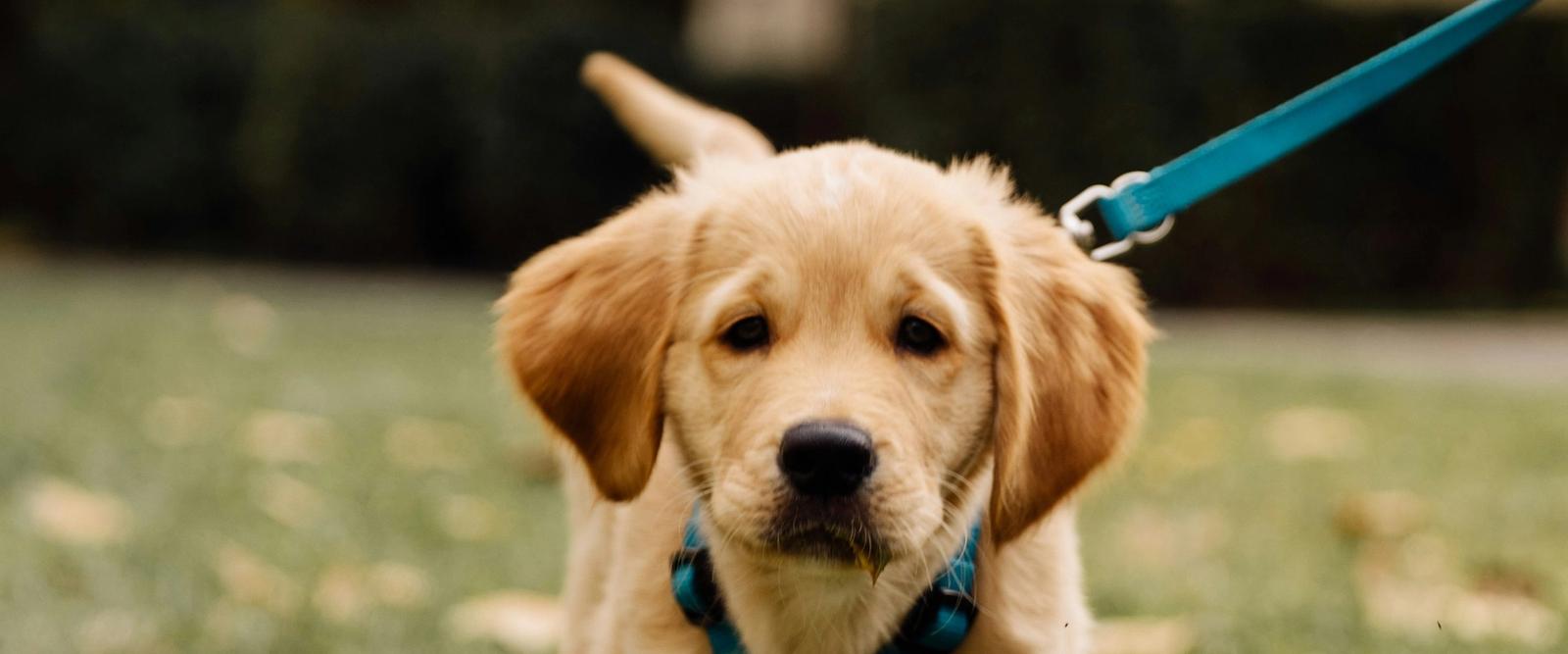
Bringing a puppy home is one of the best things in the world. It's also a period of sustained low-level anxiety where you second-guess everything you're doing. When can they go outside? Is that cough normal? Am I walking them enough, or too much? If this sounds familiar, you are not alone, and you are not doing it wrong. Every puppy owner goes through it.
The good news is that the walking part, at least, is simpler than the internet makes it look. There are clear answers to the "when," the "where," and the "how long," and as someone who's raised two dogs of my own and walked enough client puppies to lose count, I can give you the Taunton-specific version. If you're at work during the day and worrying about your puppy being home alone, I offer solo puppy visits across town. A professional walker dropping in for a short walk, a toilet break, and some company can make a huge difference in those first few months. And when you're ready to find a regular walker, I've written about what to look for in a dog walker in Taunton.
1. The vaccination timeline: when a puppy can actually go outside
This is the question every new puppy owner asks first, and the answer is straightforward. Puppies typically have their first vaccination at 8 weeks and their second at 10 to 12 weeks. They're considered fully protected about two weeks after the second jab, and some puppies need a third vaccination at 14–16 weeks — your vet will give you the exact dates. Until those second vaccinations have taken effect, your puppy should not walk on ground where unvaccinated dogs may have been. That means no parks, no pavements, no fields.
What can you do in the meantime? Carry your puppy. Walk around Taunton town centre with them in your arms or in a sling. Sit on a bench in Vivary Park holding them on your lap. Let them see traffic, hear children playing, watch other dogs from a distance. This is socialisation: exposure to the world in a safe, controlled way, long before their paws touch the ground.
2. The first real walk: what to expect
The first time you clip on a lead and walk out the front door with your puppy on their own four paws, it's going to be chaotic. They'll zigzag. They'll stop every three feet to sniff something. They might sit down and refuse to move, or try to eat a cigarette butt, or bark at a leaf. All of this is normal.
Keep the first walk very short: five to ten minutes maximum. Pick a quiet time of day. Choose a flat, familiar route close to home. The goal is not exercise. The goal is a positive experience of being on a lead in the outside world. If you get to the end of the street and back without incident, that's a win. Go home, celebrate, and do it again tomorrow.
3. Puppy-friendly walking routes around Taunton
Not all walks are created equal for a puppy. You want somewhere flat, quiet, with minimal dog traffic, and ideally a surface that's gentle on developing joints. Here are the Taunton spots that fit the bill.
Vivary Park (early morning, midweek). Flat, surfaced paths, plenty of space to step aside and let other dogs pass. Vivary at 7am on a Tuesday is a very different place from Vivary at 11am on a Saturday. For early puppy walks, go early and midweek. The full list of Taunton's best dog walking spots has more options as your puppy gets older and fitter.
The Longrun Meadow path (the surfaced section only). Park at Silk Mills and walk the tarmac path along the river, no further than the Willow Cathedral and back. Flat, interesting smells, and wide enough to give other dogs a comfortable berth.
French Weir Park (the upper path). The path above the river, not the riverside one. Quieter than Longrun on a weekday morning, and the café at The Weir does a good coffee for the post-walk debrief.
Your own street. Seriously. For the first week, your own street is the perfect puppy walk. Short, familiar, close to home if things go wrong. Puppies don't need adventure. They need confidence.
4. Lead training basics: starting as you mean to go on
A puppy's first walks set the pattern for a lifetime of lead behaviour, but that doesn't mean you need military precision from day one. The goal in the early weeks is simple: the lead is not something to fight.
Start indoors. Clip the lead on and let it drag while your puppy explores the living room. Pick it up and follow them around rather than directing them. When they check in with you (a glance back, a step towards you), mark it and reward it. You're teaching that being near you on a lead is a good place to be. Loose-lead walking comes later. For now, just don't create a battle.
5. Socialisation: what it actually means
Socialisation is the most misunderstood word in puppy raising. It does not mean "meet every dog in Taunton." A puppy who's rushed up to by every unfamiliar dog they see learns one of two things: that dogs are exciting to the point of frenzy, or that dogs are frightening and need to be driven away. Neither is what you want.
Good socialisation means controlled, positive experiences at a distance your puppy can handle. Watch another dog from across the park. Walk parallel to a dog on the other side of the road. Meet one calm, known adult dog in a garden. Quality over quantity, every time. Your puppy doesn't need fifty dog friends. They need to learn that other dogs are a normal, neutral part of the background, not the main event.
6. How long should a puppy walk be?
There's a widely shared guideline: five minutes of structured walking per month of age, up to twice a day. So a three-month-old puppy gets about 15 minutes per walk, a four-month-old about 20 minutes, and so on. This isn't a hard scientific limit (it's a rule of thumb) but it's a good one. Puppy joints are soft, growth plates are open, and excessive high-impact exercise (long walks on pavement, endless ball throwing, jumping) can contribute to joint problems later in life, particularly in larger breeds.
The five-minute rule covers structured walking on a lead. Sniffing around the garden, pottering about the house, and gentle play don't count towards it. What matters is sustained, repetitive impact. If you're unsure, your vet will give you guidance specific to your puppy's breed and size.
7. Signs your puppy is overwhelmed or overtired
Puppies don't know when to stop. They'll keep going long past the point of exhaustion, and an overtired puppy looks a lot like a puppy who needs more exercise: zooming around, biting, unable to settle. The signs that it's time to go home include: sitting or lying down mid-walk and refusing to move; excessive panting when it's not hot; sudden loss of interest in treats they were taking eagerly five minutes ago; and the "zoomies" (frantic, uncontrolled running that's usually a burst of pent-up energy — often from overtiredness or overstimulation — rather than a joyful invitation to keep going).
When you see these, go home. Give your puppy a frozen Kong, a lick mat, or a quiet space to decompress. I wrote a full guide to enrichment activities for days when walks aren't right that applies just as much to the post-walk wind-down.
8. Carrying your puppy before vaccinations: the exposure walk
The period between 8 and 12 weeks, when your puppy is still building immunity, overlaps with a critical socialisation window. This is why carrying your puppy matters. Carry them through the high street. Sit on a bench outside Costa and let them watch the world. Walk them in a sling through Vivary. They'll see, hear, and smell dozens of things that will be part of their normal life later. A puppy who's been exposed to traffic noise, pushchairs, bicycles, and children's voices from the safety of your arms at 10 weeks is a puppy who won't find those things alarming when they encounter them on a lead at 14 weeks.
Keep carrier walks short (ten to fifteen minutes) and watch your puppy's body language. Relaxed, curious, looking around is good. Tense, trembling, trying to hide is a sign to go home and try again another day.
9. Puppy visits: when a professional walker helps
If you work full-time, the early months are logistically difficult. A young puppy can't hold their bladder for eight hours. They need a midday toilet break, a short play session, and some company. A professional puppy visit (a drop-in walk, toilet break, and check-in) bridges the gap between your morning walk and your evening one.
This isn't a full group walk. It's a short, focused visit for your puppy specifically. A good walker will follow your routine, reinforce whatever you're working on (sitting at the door, not jumping up), and leave your puppy settled, toileted, and ready to nap until you get home. The solo walk service covers exactly this for puppies across Taunton.
10. When to graduate from puppy walks to longer walks
There's no single graduation day. It happens gradually. Around six to seven months, most puppies are physically ready for longer walks, but you increase duration slowly and watch how they recover. A puppy who's still sound asleep three hours after a thirty-minute walk did too much. A puppy who's bright and settled after the same walk is probably ready.
The transition to adult walking patterns should follow the dog's individual development, not a calendar. Small breeds mature faster than large ones. A Jack Russell at eight months is close to full physical maturity. A Great Dane at eight months is still very much a puppy with growing joints. When in doubt, ask your vet.
You'll also know they're ready when walks become about the walk itself rather than training. When you're not actively managing every interaction, when the lead is loose most of the time, when sniffing replaces frantic pulling, that's when you've moved from puppy walks to proper walks. And the best walking routes around Taunton will be waiting for you both.
Practical Tips for Puppy Walking in Taunton
Go early or late. The world is quieter at 7am and 8pm. Fewer dogs, fewer people, less traffic. For a puppy's first month of walks, these are your prime windows.
Bring better treats than you think you need. The outside world is more interesting than your living room. The treats that work indoors (kibble, basic biscuits) will be ignored outdoors. Bring chicken, cheese, or dried liver. Something that competes with the smell of fox poo and the sight of a pigeon.
Don't walk on a full stomach. Leave at least an hour after a meal. Deep-chested breeds in particular are at risk of bloat if exercised too soon after eating.
Let them sniff. A puppy walk is not a power walk. The sniffing is the point. It's how they understand their environment, and it's more mentally tiring than the walking part.
Celebrate the small wins. Your puppy walked to the end of the road without sitting down in protest? Win. They saw another dog and looked back at you instead of barking? Massive win. Puppy raising is a long game. Recognising the small victories keeps it sustainable.
Want someone to help with the puppy months?
Hi, I'm Emma, the dog walker and trainer behind Dogs and Fairy Tails, based in Taunton. I offer solo puppy visits for puppies who need a midday break, plus group walks for when they're ready to join a small, carefully matched group. I'm BSc Animal Behaviour qualified, fully insured, DBS checked, and I compete at Crufts in Heelwork to Music and Agility. Your puppy's first walks are the foundation for everything that comes after, and I'd love to help you get them right.
Book a free meet and greet and we'll talk about what your puppy needs at this stage. Or if you'd like to know more about me first, here's the about page.